
The Foundation of Financial Insight—Structure, Reporting, and Accounts
Key Concept
Your Chart of Accounts is the vocabulary your business uses to describe financial reality. Get it right, and every report tells a clear story. Get it wrong, and no amount of cleanup will give you the insight you need.
The Three Pillars: 1. Structure – How financial data is organized 2. Reporting – How information is presented 3. Accounts – The Chart of Accounts vocabulary
Figures (Full Resolution)
Click any figure to view full-size or download.
Figure 1.1: QBO Dashboard
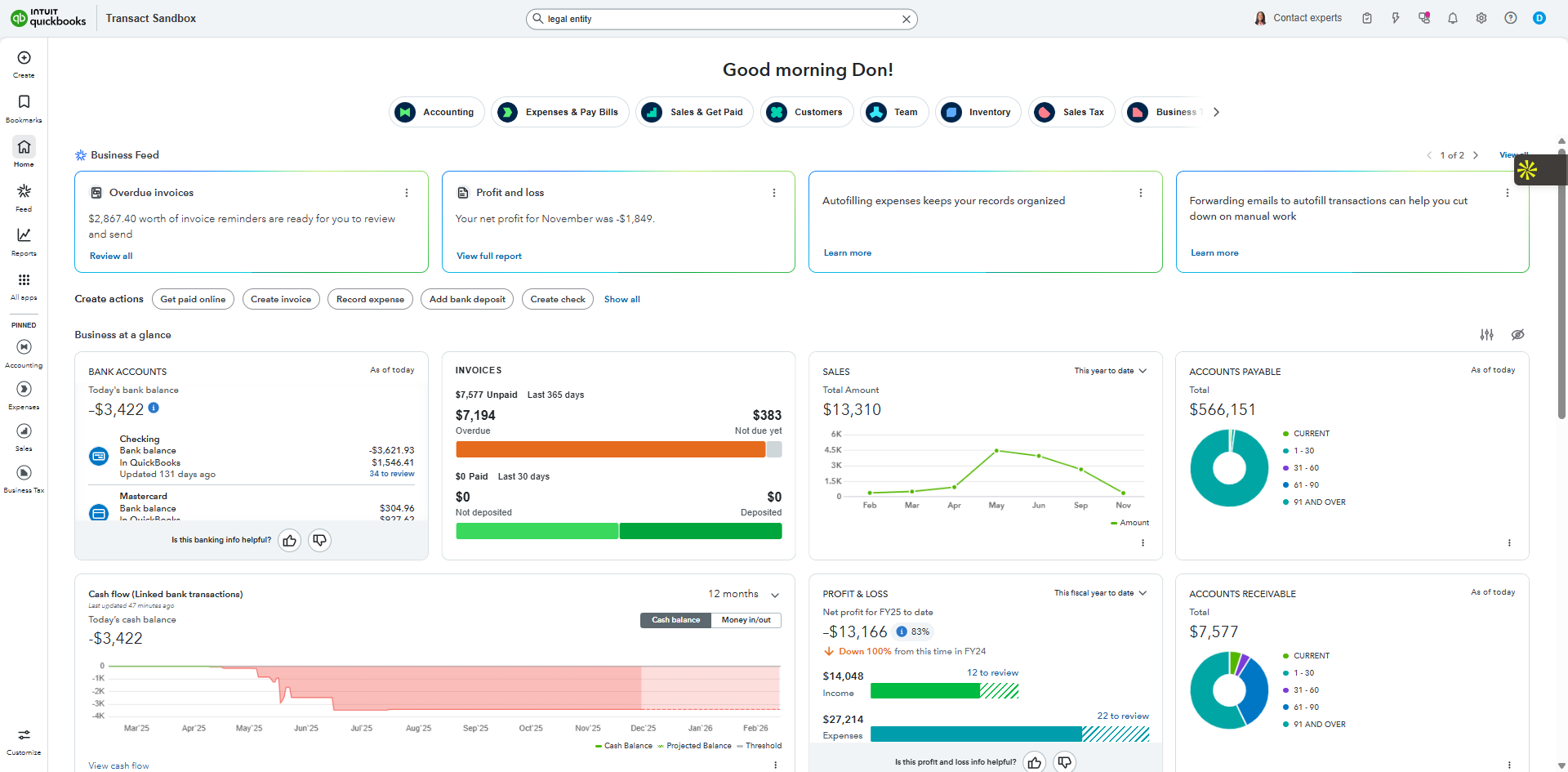 The QuickBooks Online dashboard showing the payoff of proper structure: bank balances, invoices, expenses, and profit—all at a glance.
Figure 1.2: QBO Reports Menu
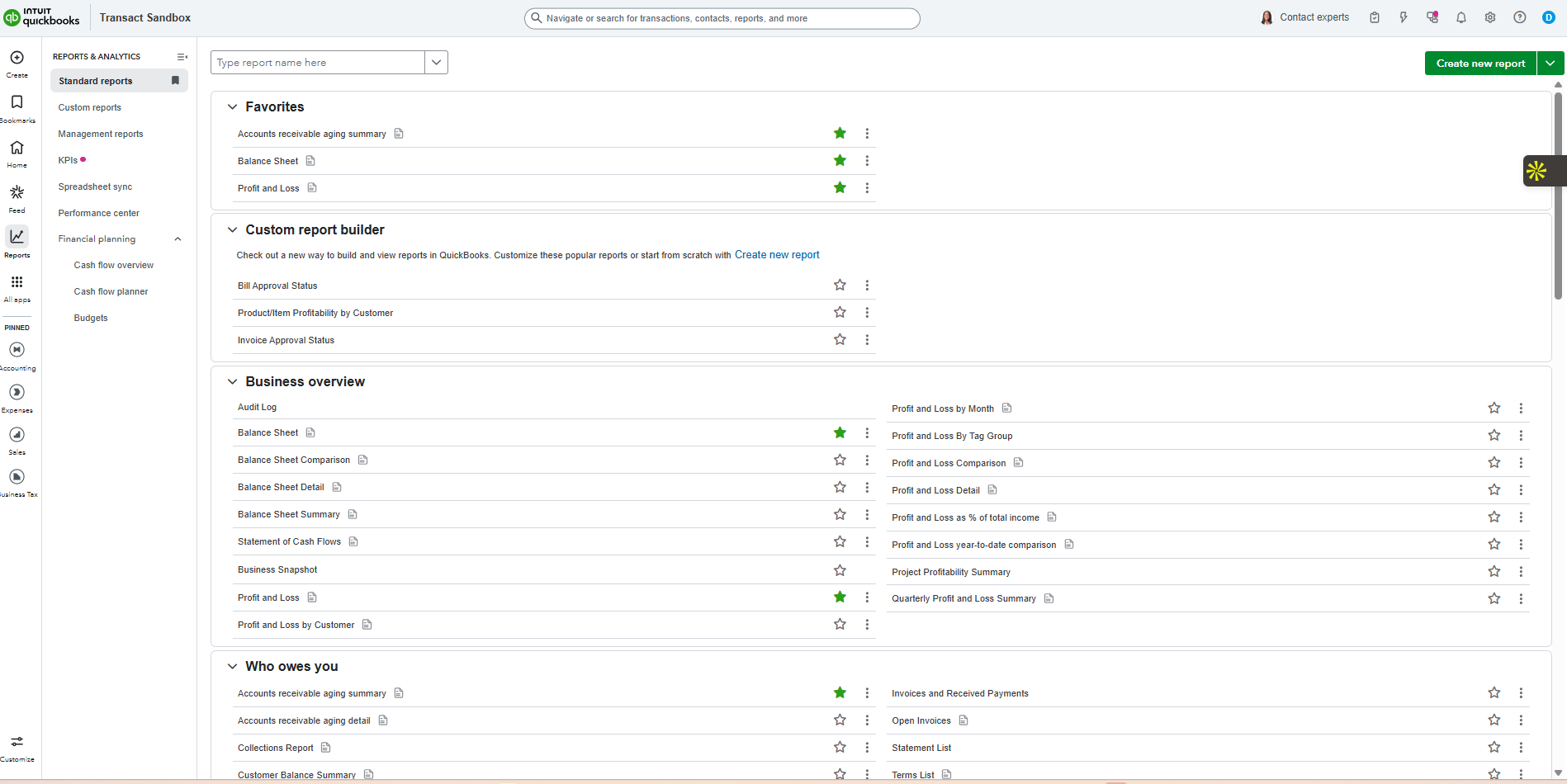 The Reports & Analytics menu reveals the breadth of insight available—but only if your structure supports it.
Figure 1.3: Chart of Accounts View
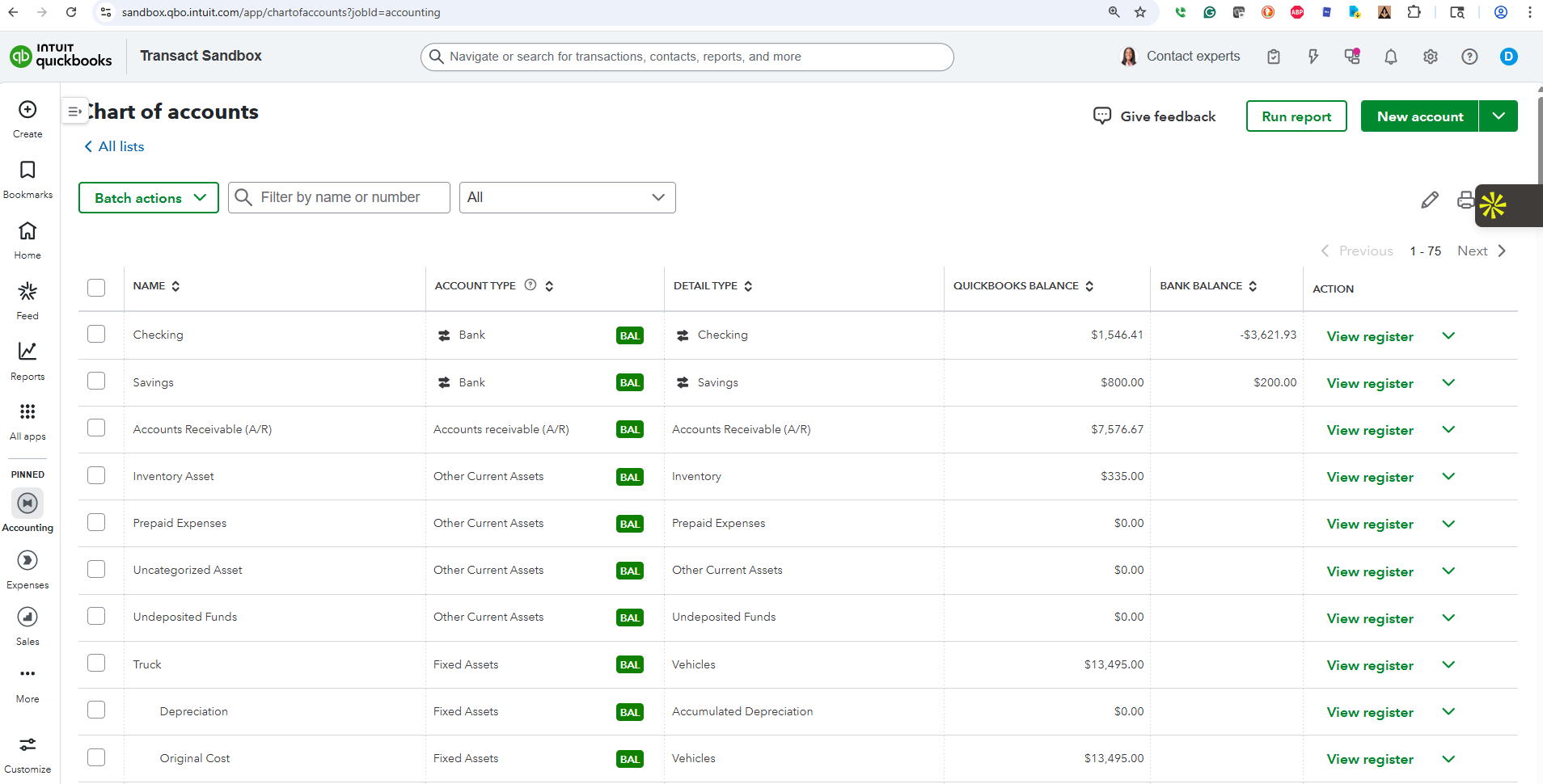 A well-organized Chart of Accounts with Account Types and Detail Types properly configured.
Figure 1.4: QBO Legal Info Settings
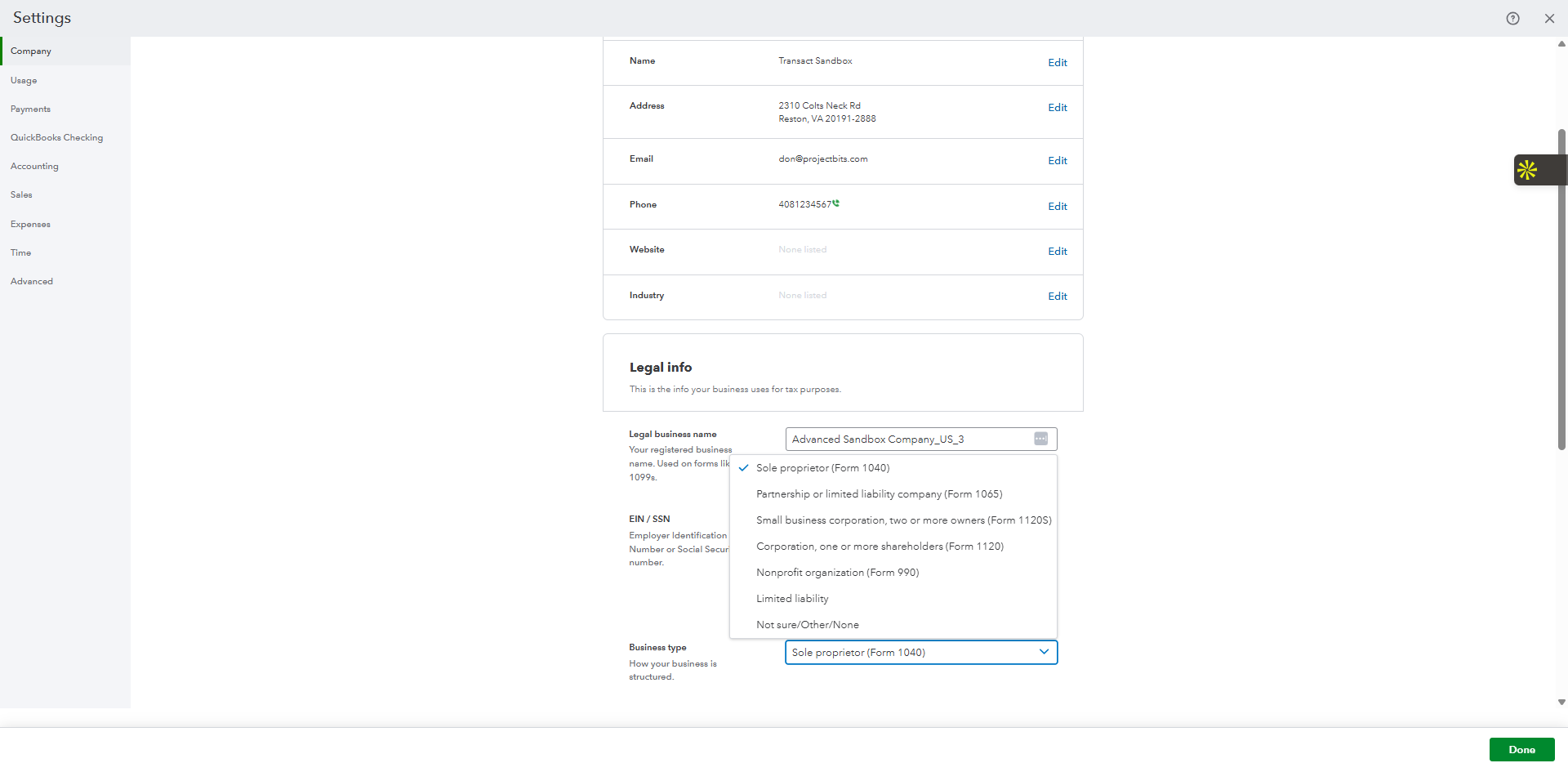 Entity type selection in QBO—critical for proper owner equity and distribution tracking.
Figure 1.5: COA Data Flow
 How transactions flow through your Chart of Accounts to become meaningful reports.
Downloadable Templates
Sample Charts of Accounts by Industry
| Industry | Description | Download |
|---|---|---|
| Professional Services | Consulting, legal, accounting firms | Download PDF |
| Construction/Trades | Contractors, HVAC, plumbing, electrical | Download PDF |
| Healthcare | Medical practices, therapy, wellness | Download PDF |
| Technology | Software, IT services, MSPs | Download PDF |
Tools & Checklists
- Account Number Structure Template (Excel) – Organize your COA with logical numbering
- COA Cleanup Checklist (PDF) – Find and fix common problems
- Entity Type Selection Guide (PDF) – Choose the right structure for your business
Video Walkthrough
Setting Up Account Numbers in QBO (Coming Soon)
Learn how to enable and configure account numbers in QuickBooks Online for better organization and reporting.
Key Takeaways
- Structure determines insight – You can only report on what your structure captures
- The three pillars work together – Structure, Reporting, and Accounts are interconnected
- Personal and business must be separate – This is non-negotiable for tax and legal protection
- Account numbers enable organization – Use a logical numbering system (1000s = Assets, 2000s = Liabilities, etc.)
Your Next Step
Review your current Chart of Accounts. Ask yourself: – Are expense categories specific enough for tax reporting? – Is personal spending clearly separated from business? – Can I run a P&L by class, location, or project if needed?
Need help? Apply for a complimentary Tax Ready Assessment